
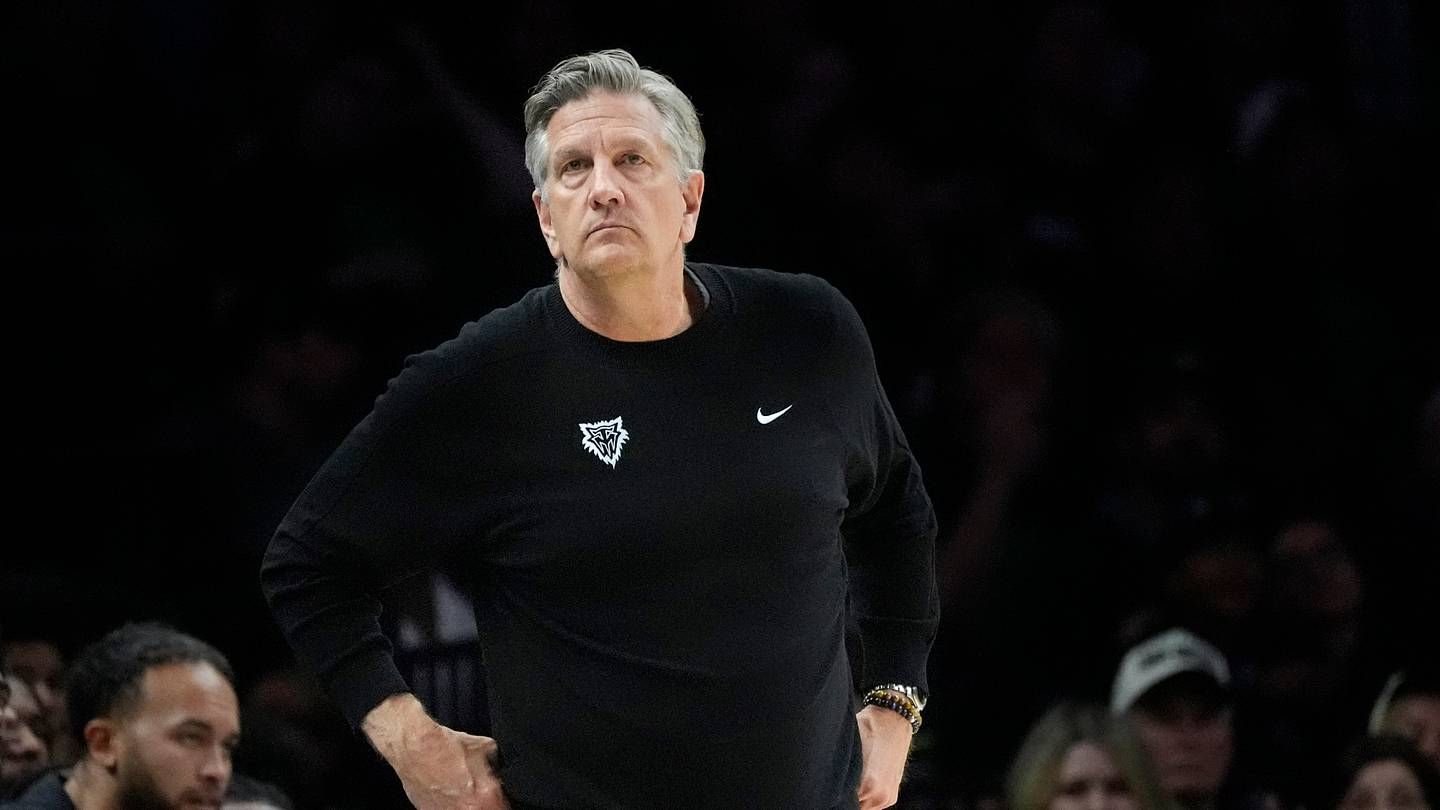
Chris Finch liked the competition that made the Timberwolves’ September gym uncomfortable. Now I want him to carry that standard into the rotation. Useful minutes should earn another opportunity, and a young player’s mistake should bring a correction before it costs him his place.
As Minnesota prepares to host Toronto on Sunday, October 25, the most interesting part of Finch’s account is how much he welcomed teammates pushing each other. Field Level Media’s Saturday preview quotes him saying, “Those guys were really going at it. They enjoyed it.” That should be the expectation for the reserves as well as the stars. The bench needs a reason to believe its work can change a game, and its place in the next one.
Make the competition count after September
Field Level Media reported that Finch thought the September sessions had sometimes threatened to boil over, but liked the intensity the players carried forward. Anthony Edwards also credited the work against teammates for preparing Minnesota to face physical opponents. I take that as an argument for demanding more from the whole roster.
I would be careful about turning those comments into a tidy explanation for every win. A competitive practice does not guarantee a good defensive possession. What it can give Finch is a standard to point back to when someone jogs through a screen or watches another player chase a loose ball. If that effort was expected against a teammate, it should be expected against an opponent.
That demand has to reach the players who get the most shots. I would hate to see competition become a word used only when a reserve makes a mistake. The player carrying the offense should still sprint back after a miss. A teammate who gives up a shot should still find a body when the ball comes off the rim. Nobody should need permission from the scoring column to do those jobs.
The full Timberwolves roster and depth chart lays out the choices around Finch’s main players. My preference is for those choices to remain responsive to the game. If a reserve is defending, moving the ball and helping the group reach good shots, let that stretch last. The purpose of competition should be better possessions, rather than a daily debate over who deserves whose job.
Orlando offered useful bench minutes to reward
The Basketball Reference box score from Friday’s 115-93 win in Orlando gives Finch several performances worth remembering. Ayo Dosunmu scored 14 points on six of 11 shooting in 26:39. Terrence Shannon Jr. scored 13 on four of six in 22:19. Trey Lyles added nine in 16:32.
Those are different contributions from players who should be allowed to help decide the game. I want Finch to resist treating a productive reserve stretch as merely time passed until the next starter checks in. If the group is functioning, make the next substitution answer a basketball need.
That does not mean the player who scored most recently automatically stays in. A made jumper can disguise a poor possession, just as a missed open shot can finish a good one. I would judge the stretch by whether the lineup can get organized, handle its defensive assignments and produce another reasonable attempt. Scoring is part of the judgment. It cannot be the whole judgment.
Our case for Shannon getting the first wing opportunity off the bench is about giving him a real chance to contribute. The same principle should apply once he is playing: give him responsibilities that matter, then assess how he handles them. Asking for competitive reserves means accepting that some nights a reserve will deserve to finish an important stretch.
Beringer needs accountability with a way back in
Joan Beringer makes the question sharper. Basketball Reference credits him with nine points and nine rebounds in 14:42 at Orlando, including seven offensive rebounds. I would want another look at a young center after that kind of work around the basket.
Finch’s comments in the Field Level Media preview leave room for the less successful nights, too. He acknowledged that Beringer’s larger role would bring uneven performances and that Minnesota would have to work through them. I like that approach. A rotation cannot help a young player improve if every error threatens to end the experiment.
The standard I want is specific enough for Beringer to act on. If he misses a coverage, explain the coverage. If he is late to a rebound because he watched the shot, demand earlier contact. Then give him a chance to show the correction. Punishing every mistake with the same response would make it harder to distinguish a correctable read from a lack of effort.
There will still be nights when Finch should change centers or shorten a stint. I am not asking him to ignore the scoreboard for a development plan. I want the route back onto the court to remain clear. Our look at Beringer’s fouling and the backup center job identifies the sort of concrete assignment that makes a second opportunity worth something.
Keep the standard when the shots stop helping
Edwards shot five of 23 in Orlando and LaMelo Ball went four of 13, per Basketball Reference. Those misses make the bench’s production especially useful. A team asking its leading guards to keep attacking should also give the supporting players permission to affect the result.
That is where I want the September competition to show up next. A reserve should know that doing the difficult work can extend his night. A starter should know that the same work is expected of him. A young player should know which mistake needs correcting and how to earn another turn.
Finch welcomed teammates challenging each other before the season. Keep that challenge alive when he chooses who gets the next possession.