
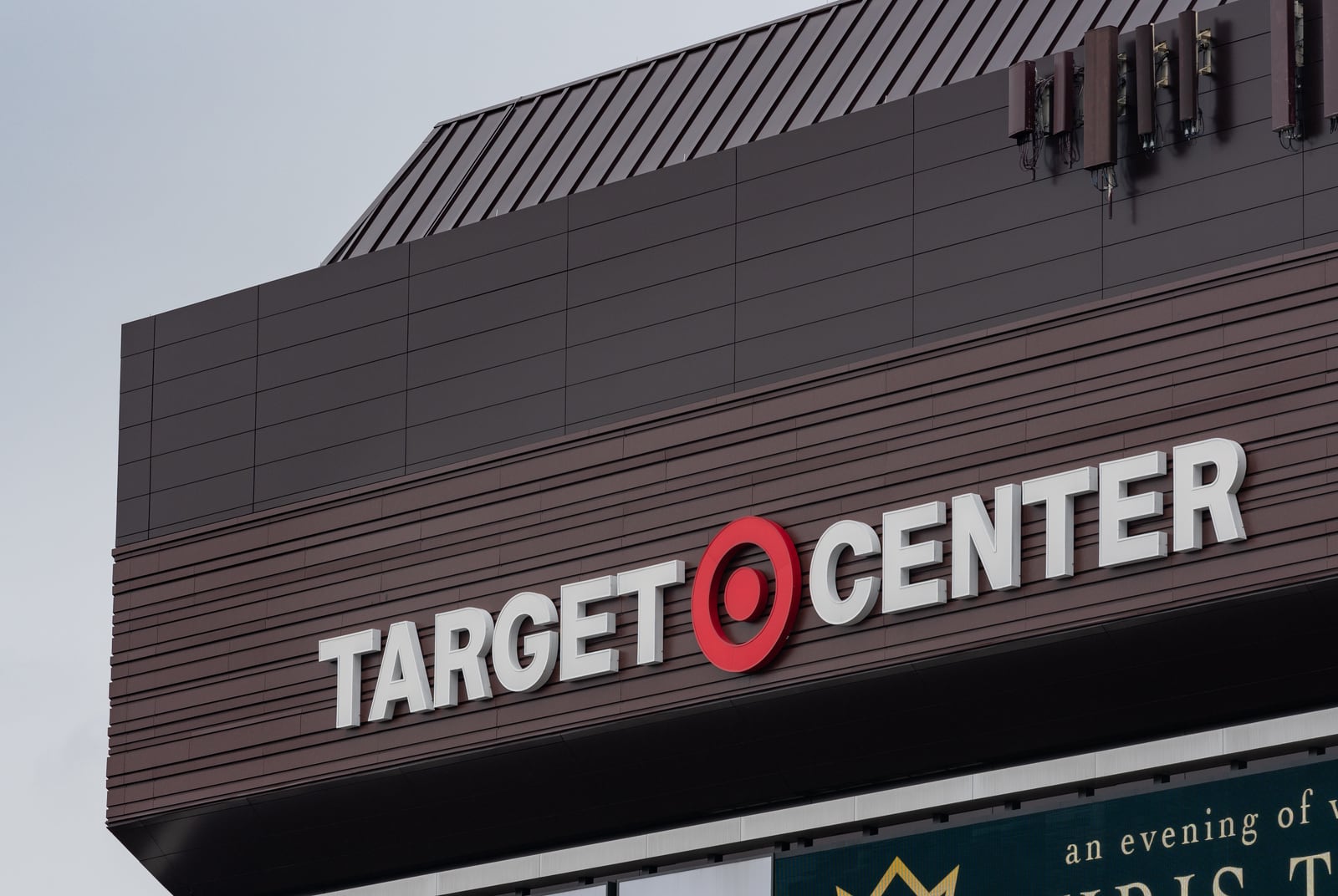
The Timberwolves want a new arena, and they now say they want public help to build it.
Team and Lynx CEO Matt Caldwell said this week that the franchises will seek some form of public assistance for a new downtown arena, according to the Star Tribune. It’s a real shift. When Marc Lore and Alex Rodriguez took over, the message was that ownership was ready to pay for a new building itself.
Minneapolis Mayor Jacob Frey, meanwhile, is pushing his preferred site and repeating that the city won’t write a direct subsidy check. Here’s where it all stands, and what it means for the team.
What the team said
Caldwell didn’t put a number on it. His point was that ownership would carry most of the cost, with the public filling in the rest.
“There will be a lot of money invested in it from the ownership, for sure,” Caldwell told the Star Tribune.
That sentence is doing a lot of work. “A lot of money” from ownership is not the same as all of it. The ask now is for public assistance of some kind, and the details of that ask are what matter.
What the mayor said
Frey has been clear on one point for more than a year. His office said last year that any new arena “must be built without relying on taxpayer dollars.”
He hasn’t walked that back. But he’s also talking about the project in much bigger terms than a basketball building.
“We’re not just talking about an arena,” Frey told the Star Tribune. “This is a massive opportunity to shift how downtown functions.”
Frey has backed the City Center complex as the site since at least April, per Axios. The mostly empty retail and office complex is for sale and sits a short walk from Target Center. His pitch is that an arena there could pull restaurants, shops and housing onto a stretch of downtown that badly needs it, with the city helping on the development around the building rather than the building itself.
So the positions aren’t as far apart as the headlines suggest. The team wants public help. The mayor won’t fund the arena but is open to supporting what gets built around it. The fight is going to be over where that line sits.
Why the Wolves want out of Target Center
Target Center opened in 1990. At 36 years old, it’s the second-oldest arena with an NBA team, as CBS News Minnesota noted this week.
The city has already put money into keeping it going. A renovation finished in 2017 included $74 million in city funding.
The team’s lease runs through June 2035. Leaving early comes with an exit penalty of about $50 million, and the city still carries about $53.5 million in debt service on the building. Any plan for a new arena has to answer who covers those costs too.
The ownership change behind it
All of this is happening in the middle of another ownership change.
Lore and Rodriguez bought the Wolves and Lynx from Glen Taylor for $1.5 billion, a deal the NBA approved in June 2025. In August, Marc Stad, already a minority investor, agreed to buy Lore’s controlling stake at a $4.5 billion valuation, per ESPN. Rodriguez is staying on and increasing his investment. Lore is keeping a minority share.
The price went from $1.5 billion to a $4.5 billion valuation. That’s the context a lot of taxpayers are going to bring to any request for public money.
Why it matters on the court
A new arena won’t make a single shot, but it is tied to the roster. Minnesota is carrying about $215.3 million in salary this season, over the first apron and about $4.5 million under the second. Paying for a roster built around Edwards, Ball and Gobert takes serious revenue, and premium seats, suites and concerts in a modern building are where teams find it. An ownership group that just valued the franchise at $4.5 billion is going to want that revenue growing, not stuck in a 36-year-old building.
My take
I want the Wolves to have a new arena. Target Center has worked for a long time, but it’s the second-oldest building in the league, and a team with LaMelo Ball and Anthony Edwards should have a modern home. The franchise just rebuilt its look from the logo to the court, and the building is the last piece that still feels old.
I’m less convinced the public should pay for it. A franchise just valued at $4.5 billion can finance a building. The strongest version of the city’s role is the one Frey keeps describing: help with the land, the streets and the development around the arena, not a check for the arena itself.
The part to watch is how “public assistance” gets defined. If it means infrastructure and a site deal that actually revives a dead block of downtown, that’s a conversation worth having. If it means a direct subsidy for the building, expect a real fight, starting with the mayor who has said no to exactly that.
Nothing is decided yet. Nobody has announced a site deal, a cost estimate or a formal request for public money. But with the lease running to 2035 and new money coming in at the top, this is the start of the arena fight, not the end of it.