
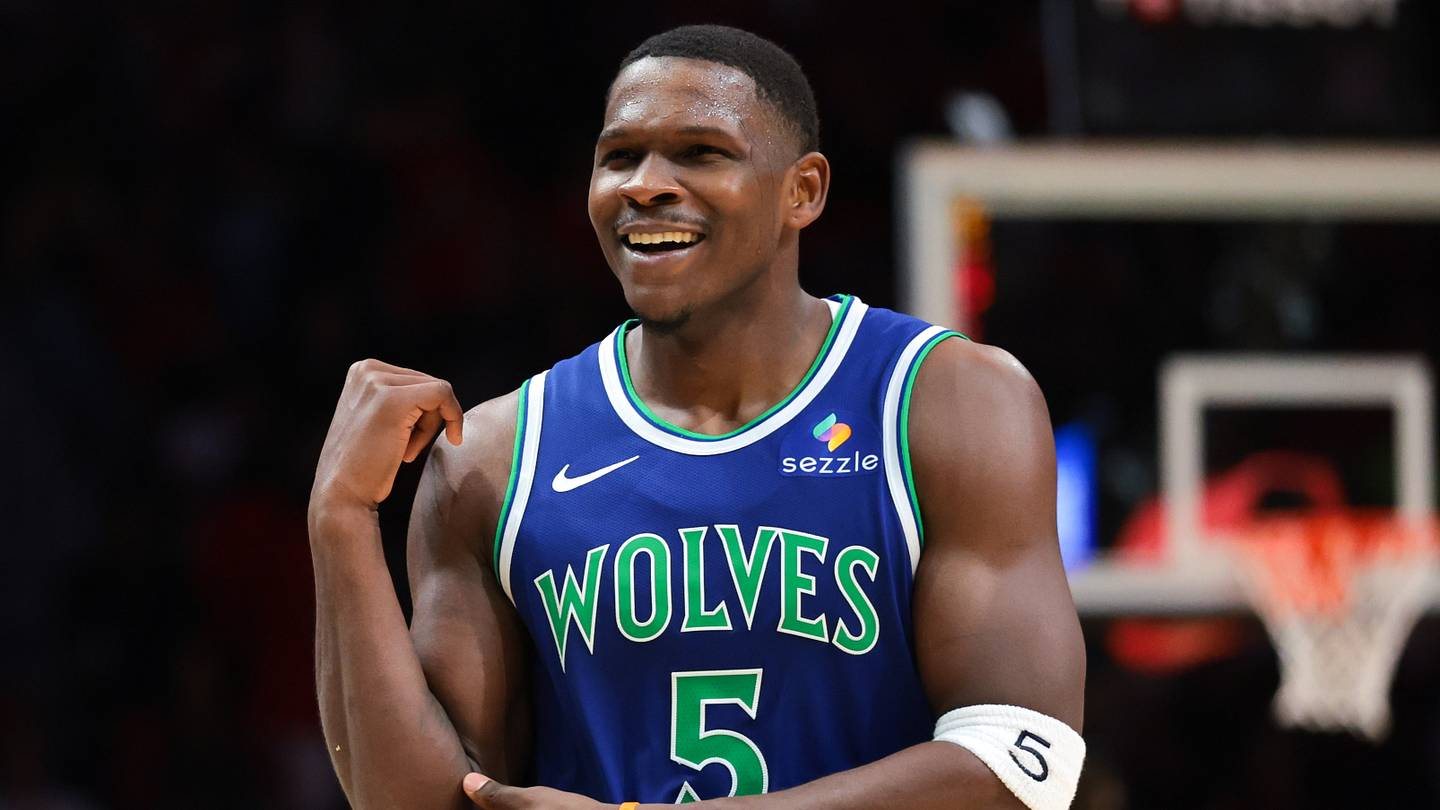
The Timberwolves held Orlando to 93 points on Friday, and I still want Chris Finch to spend the next defensive meeting on what happened inside the arc. The Magic made 29 of 45 two-point attempts, calculated from Basketball Reference’s box score. That is 64.4%, a much less comfortable number than the final score suggests.
Minnesota won 115-93. Enjoy the win. But as of Saturday, October 24, my next demand on this defense is better containment before the shot goes up. Orlando’s miserable outside shooting helped keep the score down while its two-point attempts kept going in. The Wolves should treat that split as work to do before they start trusting the points-allowed total.
The 44% shooting line hides two different games
The Basketball Reference box score has Orlando at 37-for-84 overall and 8-for-39 from three. Subtract the threes from each side of the field-goal line and the two-point result is 29-for-45. Minnesota allowed 58 points on those makes.
Orlando’s overall field-goal percentage was 44.0%. Read that number alone and it looks like a satisfying defensive night. Read the split and the question changes: how much confidence should Minnesota take from a game in which the opponent missed 31 threes but only 16 twos?
I would take confidence in the result and demand more from the next possession. The same defense can contribute to a win and leave something substantial to fix. A low score should not give every part of the performance a passing grade.
Two-point percentage includes more than layups. These totals do not tell us how many attempts came at the rim, how tightly each shot was defended or which Wolf was responsible. I would not assign those 29 makes to Rudy Gobert, or call all of them defensive breakdowns. I would make them the starting point for the film session.
Start with the players who kept scoring inside
Wendell Carter Jr. made eight of nine field goals and three of four threes, according to Basketball Reference. That leaves a perfect five-for-five on two-point attempts. Franz Wagner went seven-for-14 overall and one-for-six from outside, leaving six makes in eight attempts inside the arc.
Paolo Banchero made six of 11 overall and missed both threes, per Basketball Reference. His two-point line was six-for-nine. Add those three players together and they made 17 of 22 twos, or 77.3%. That calculation identifies a useful set of possessions to review without pretending the box score explains the coverage.
My preference would be to start with how those chances developed. Did the first defender keep the ball in front? Was the helper early enough to affect the pass? Did a rotation leave a cutter alone? Those are questions for the film, with different fixes depending on the answer.
Our argument for trusting Gobert before sending a second defender at Giannis was about preserving the defense around the matchup. The same principle matters here: Finch should fix the actual mistake rather than respond to every made basket by ordering more help. An unnecessary rotation can create the next opening.
The perimeter misses deserve their own column
Desmond Bane made one of nine threes, Wagner one of six and Tristan da Silva one of seven, per Basketball Reference. Together, that is three makes in 22 attempts. Carter’s three-for-four outside shooting was the exception among that group.
I would give Minnesota credit for a difficult contest when the film shows one. I would also mark down an open miss as an open miss. The scoreboard treats both as stops; a coach deciding what to repeat should distinguish them.
That is why I would resist making Orlando’s eight-for-39 night a standard the Wolves expect from opponents. Asking a defender to arrive on the catch is a useful instruction. Asking the next shooter to miss is hope. The difference becomes expensive when the outside shots begin falling alongside those twos.
It also matters when deciding how much help to send toward the ball. Pulling a defender away from a shooter might reduce one two-point chance and invite a three. I want Minnesota to improve its first line of resistance before making that trade automatically. Keep the ball out of the middle when possible, then give the helper a manageable decision.
There is defensive work worth keeping
Basketball Reference credits Orlando with 16 turnovers and Minnesota with eight steals. Those turnovers ended Orlando possessions, and they belong in the assessment alongside the shooting split. A defense can give up a high percentage on attempts that happen while still helping itself by denying an opponent another chance to shoot.
Anthony Edwards had four of Minnesota’s steals and LaMelo Ball two, according to Basketball Reference. I like seeing both guards contribute there. I would ask for that involvement to extend to containing the initial action, rather than make steals the whole measure of their defensive nights.
That is a demand across the full Wolves roster and depth chart. Guards have to make the approach to the basket difficult. Wings have to recognize when help is needed. Centers have to finish the possession when the ball reaches them. I do not want one player absorbing responsibility for every shot made inside the line.
The rebounding work that carried Minnesota past Orlando gave the Wolves another way to win. It should also give Finch room to coach a comfortable victory hard. Keep the activity that ended possessions early, examine the two-point makes and make the next opponent earn its chances before the release. Ninety-three points allowed is a good result. Better resistance inside the arc is the next assignment.